
Kids' Room Design Ideas for Gurgaon Homes That Grow With Your Child
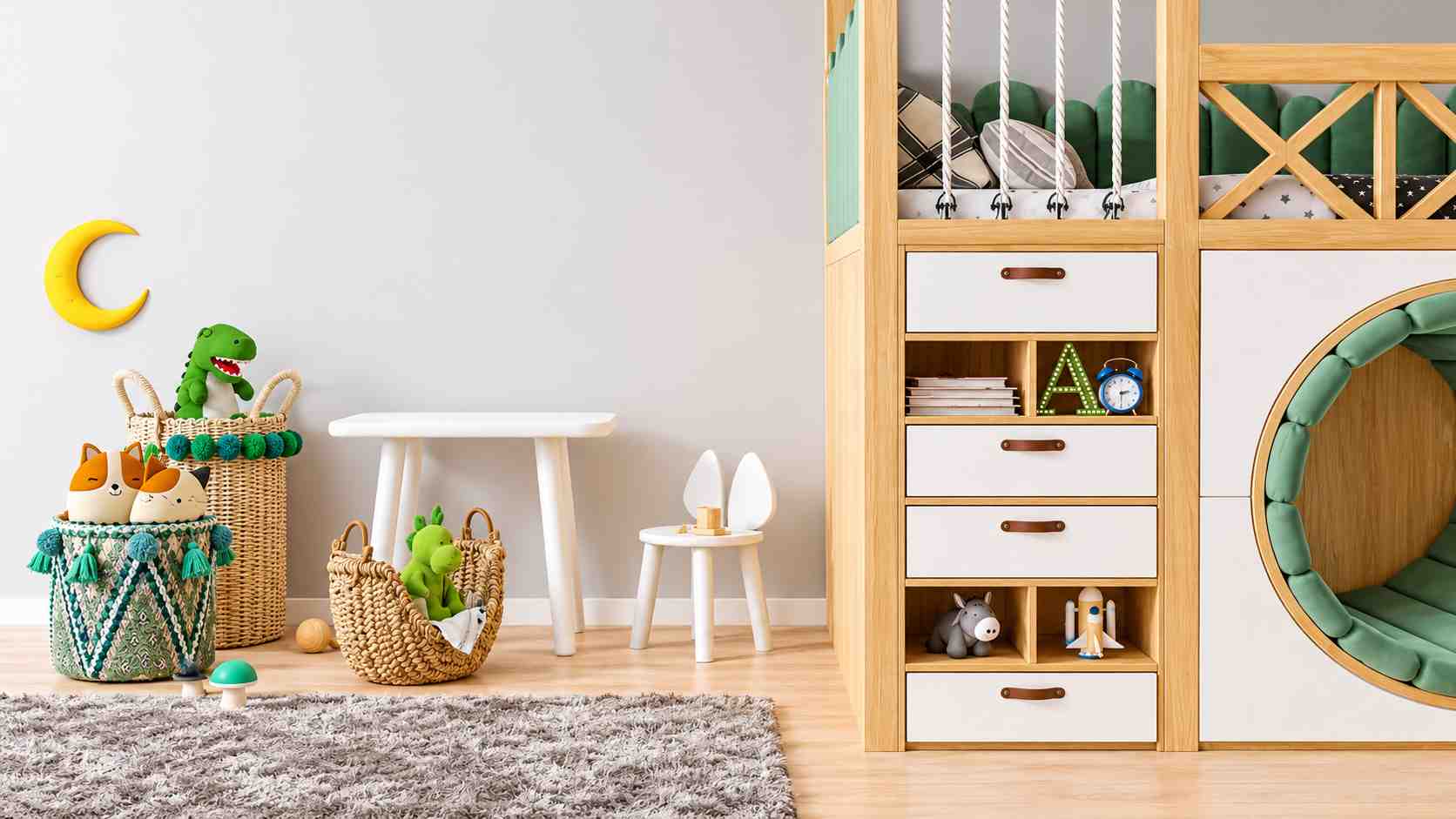
Kids room design ideas are easy to find online. Finding ideas that work in a Gurgaon apartment is much harder. Most photos show a huge, sunlit room with a canopy bed and an empty floor. Your child's room probably looks different. It is smaller, it has an AC on one wall, and it has to hold school bags, sports kits and years of art projects.
Lakkadworks is a premium residential interior design and custom furniture company in Gurgaon, with 13+ years of experience and 250+ residential projects. Our team plans children's rooms with custom-built storage, study units, and layouts that adapt over time. This guide covers layout, safety, storage, study space, paint and lighting, keeping Gurgaon's high-rise towers and winter air in mind. To discuss your own home, use the enquiry form on our interior designers in Gurgaon page.
Kids Room Design Ideas Start With Your Child's Age
Before you pick a colour or a bed, think about your child's age. Then think about their age in five years. A room that suits a four-year-old rarely suits a nine-year-old. For that reason, the best rooms are planned in stages.
Toddlers and preschoolers (2 to 5 years)
At this age, floor space matters most. Kids play, build and sprawl on the ground. So keep the centre of the room clear. Use low, open shelves so your child can reach toys alone. Choose soft edges everywhere, and pick a bed that can take a side rail.
Primary school years (6 to 10 years)
Now the room needs a longer job list. It has to hold homework, hobbies and a growing pile of belongings. This is the right time for a proper study corner and closed storage. A bunk or loft bed also starts to make sense here, because it frees up floor space.
Tweens and teenagers (11 years and up)
Privacy becomes a big deal. Teens want a space that looks less like a nursery and more like their own. Offer a full-size desk, a wardrobe with a mirror and room for a friend to sit. Also, let them pick the colours. You will get fewer arguments, and the room will actually get used.
Here is the idea that ties these stages together. Build the permanent parts once, and keep them neutral and sturdy. That means the wardrobe, the bed frame and the study unit. Then let the changeable parts do the ageing. Bedding, wall art, lamps and paint can all change every few years without a renovation.
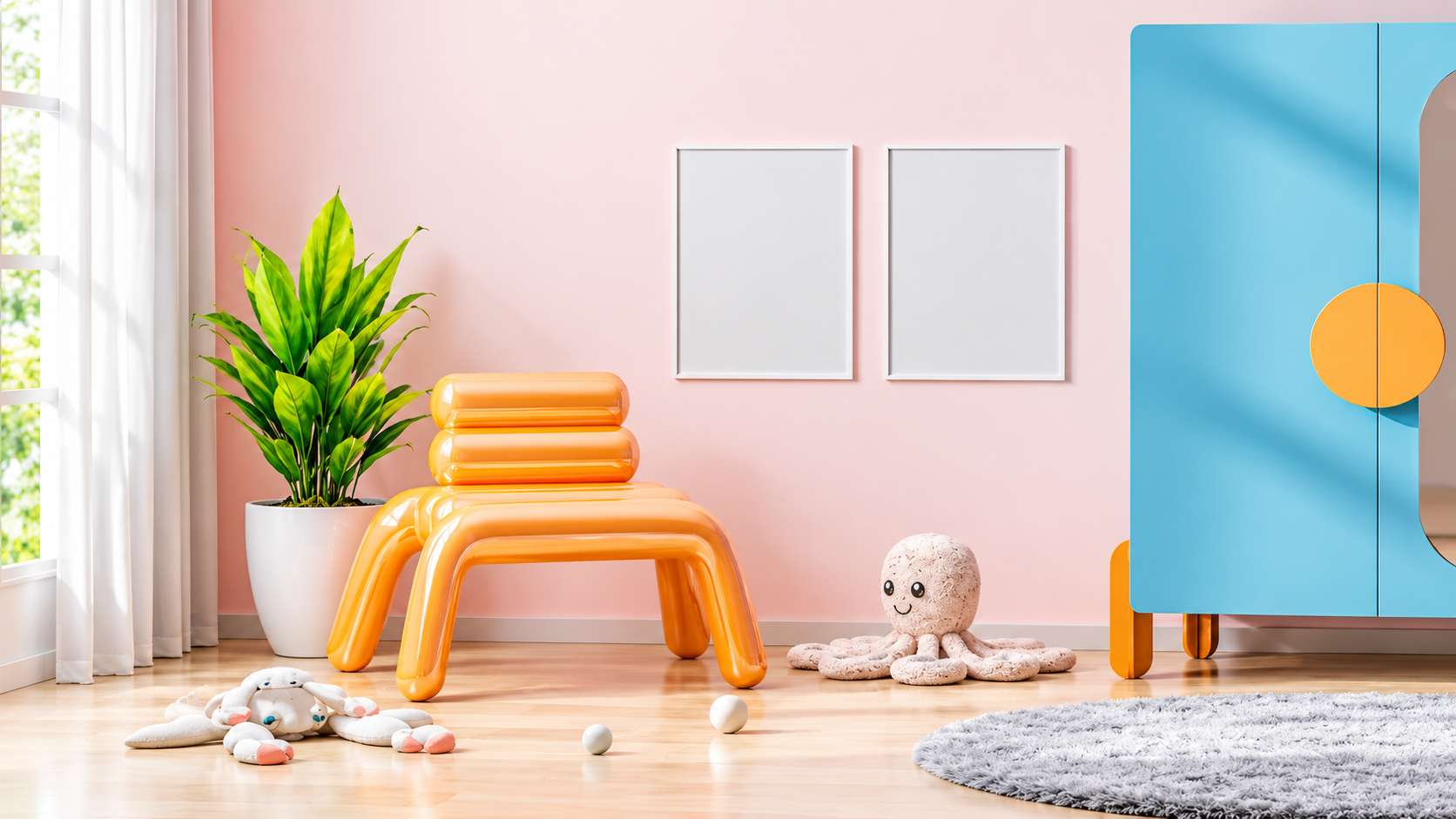
Kids Room Design Ideas for Gurgaon Apartments: What Is Different Here
A child's room in Gurgaon comes with its own set of challenges. Many of them come from how we live in this city. Here are the five we plan around most often.
Compact rooms in high-rise towers: Floor space is limited, so we build upward. Loft beds, tall wardrobes and storage that reaches the ceiling give your child more room to play.
High floors and open windows: On a higher floor, window and balcony safety is not optional. Fit window restrictors and a proper lock on the balcony door. Also, keep climbable furniture away from windows.
Winter air quality: Gurgaon's air gets heavy every winter. Closed storage keeps dust off toys and books, and washable bedding helps too. Leave a spot near the bed for an air purifier, with a power point close by.
Summer heat and the AC: Plan the AC position before you plan the bed. Cold air blowing straight onto a sleeping child is a common complaint. A bed placed slightly off the airflow solves it.
A busy family calendar: Grandparents visit, and cousins stay over. A trundle bed or a pull-out under the main bed handles guests without a mattress on the floor.
Safety First: Details Parents Often Miss
Safety is the part of a kids' room that nobody notices when it works. However, it is the part you will care about most when it does not. Most of it comes down to small details at the design stage:
Rounded corners on every desk, bed and shelf. Soft-close hinges and drawer runners, so small fingers do not get trapped. Tall wardrobes and bookcases fixed firmly to the wall. Anti-skid flooring, or rugs with a grippy backing. Switches, sockets and cables planned at sensible heights. No glass shelves or sharp metal edges within a child's reach. Guard rails and a sturdy ladder on any raised bed.
Because we manufacture furniture in our own workshop, we can control these details. We round the edges and pick the hardware ourselves. Off-the-shelf pieces rarely give you that choice.
Smart Storage That Keeps the Room Calm
Children's belongings multiply faster than any adult expects. A room with no storage plan turns messy within weeks. In our experience, good storage does more for a kids' room than any decor choice.
Closed storage low down, open display higher up. Heavy toys go below, and special items go on show. Drawers under the bed. This space is free in most layouts. Toy bins at child height, so tidying up is something they can do alone. Adjustable wardrobe rails. Start low for a small child, then raise them as they grow. Hooks and a bag rack near the door. School bags then stop landing on the bed. A toy rotation. Keep half the toys in a high cupboard and swap them every month. A window seat with a lift-up lid. It doubles as a reading spot.
Custom storage helps a lot here. A built-in unit can use every inch of an awkward alcove or a pillar. Ready-made wardrobes often leave gaps, and those gaps collect dust and lost toys.
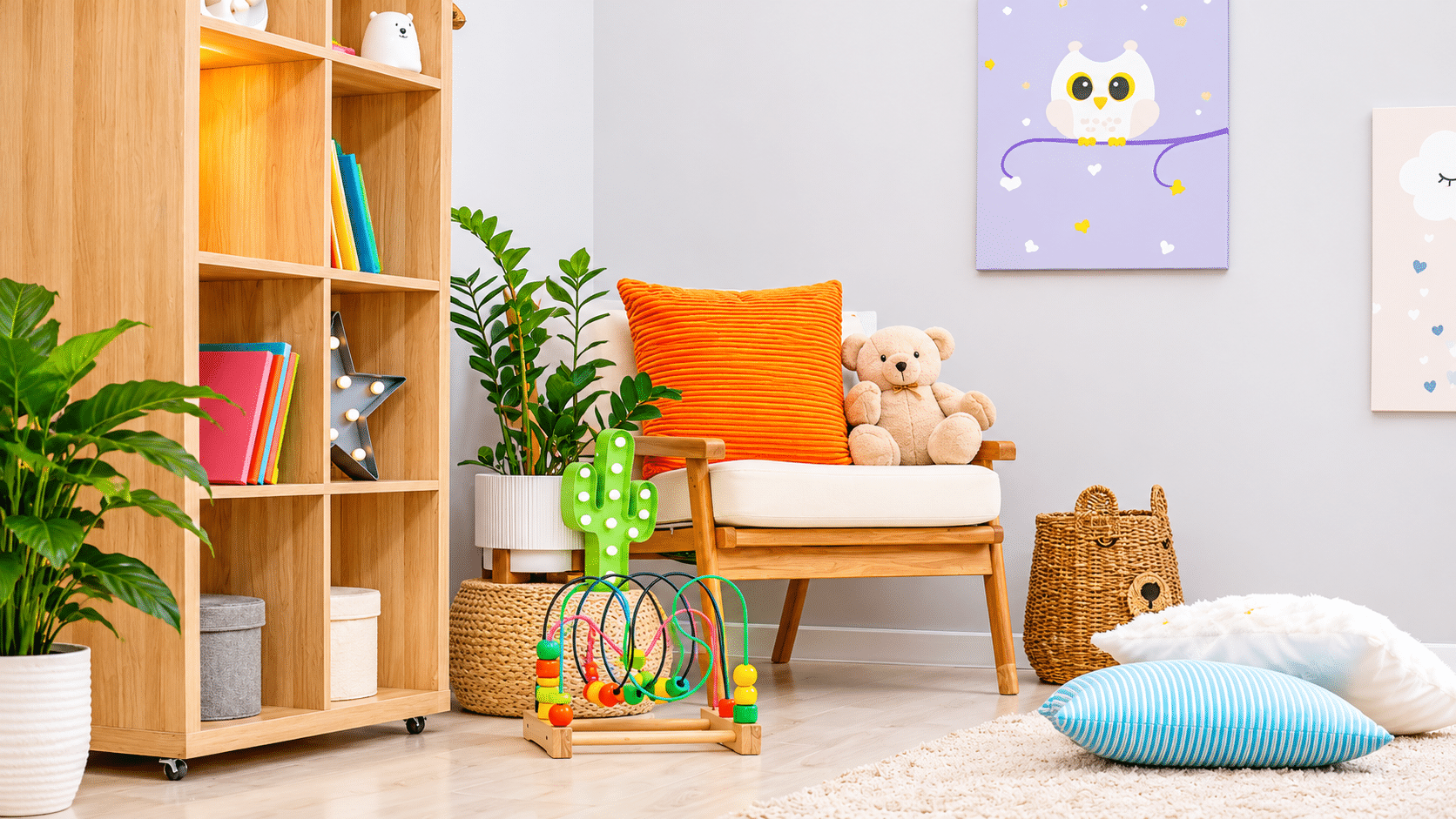
Bed Ideas: Bunk, Loft and Custom-Built Options
The bed is the biggest piece in the room, so it sets the plan for everything else. These are the options we suggest most often:
Bunk beds for siblings. They save floor space, and most kids love them.
A loft bed with a desk underneath. This works best for one child in a small room.
A platform bed with drawers. It is simple, low and gives you storage for free.
A trundle bed. It handles sleepovers and visiting relatives.
One safety note. Most guidance advises against children under six sleeping on an upper bunk. If your child is younger, start with a low bed. You can add the bunk later.
A custom-built bed has another advantage. It fits the wall exactly, so nothing slips into a gap. It can also use wide steps with drawers instead of a ladder, which is easier on small legs.
Kids Room Design Ideas for a Study Corner That Works
A study corner only works if your child wants to sit there. So start with the basics. Put the desk near natural light, but away from the bed. That separation helps a child's mind switch between rest and work.
An adjustable chair and a desk at the right height. Growing kids need both. A task lamp on the side opposite the writing hand, so shadows stay off the page. A pinboard or magnetic board for timetables and reminders. Books and stationery within arm's reach. Cable management, so chargers and laptops do not turn into a tangle.
For tweens and teens, the study zone should feel separate from the sleeping area. Even a bookshelf used as a divider helps. Where possible, keep screens out of the bed zone.
Walls, Colour and Paint You Can Trust
Colour sets the mood of a kids' room more than any other choice. Our advice is simple. Use a calm base colour on most walls, then add one playful accent. A room that is bright everywhere tends to feel busy at bedtime.
Pick finishes that can take a beating. Washable paint on the lower half of the wall saves a lot of stress. A magnetic or chalkboard wall gives your child a place to draw, so crayons stay off the rest. If you want texture or panelling, our guide to bedroom wall design ideas covers more than fifteen options.
A note on paint safety: India's rules cap lead in household paints at 90 parts per million, and they require a label. However, independent testing has found some enamel paints above that limit. So buy from a reputable brand, check the label and ask for low-VOC options. You can read more on the Toxics Link lead in paints page. Then let the room air out before your child moves in.
Lighting and Ceiling Ideas
Good kids' room lighting works in layers. First, soft ambient light for the whole room. Second, a focused lamp for the desk. Third, a dim night light for bedtime. Use warm, dimmable bulbs in the sleeping area. Bright white light late in the evening makes it harder for kids to wind down.
The ceiling can add to the mood too. A soft cove-lit border looks calm, and a few small LED points can create a star-sky effect for younger kids. Avoid heavy hanging fixtures above the bed. Also check your ceiling height first, because a false ceiling lowers the room. Our false ceiling design guide explains how much height you can safely give up.

Shared Rooms for Siblings
Many Gurgaon families put two children in one room. That works well when each child feels they have their own territory. Give each child their own wardrobe section, their own shelf and a small display wall.
Colour coding helps with younger kids. Older kids need more privacy, so think about a sliding panel or a curtain between the beds. Also plan for the day they get separate rooms. A well-designed shared room splits cleanly into two.
Kids Room Design Mistakes We See in Gurgaon Homes
Buying a themed room that a child outgrows in two years. Cartoon characters on built-in furniture are the usual culprit.
Placing the bed directly under the AC outlet.
Skipping closed storage and relying on open shelves, which gather dust every winter.
Forgetting window safety on higher floors.
Using too many strong colours in the sleeping area.
Setting a desk too high or too low, then never adjusting it.
Planning the kids' room last in a full-home project, so it gets leftover space and attention.
How We Plan a Kids' Room at Lakkadworks
We start with your child's age, daily habits and your floor plan. Next, we measure the room and plan the permanent pieces: the bed, wardrobe, study unit and storage. We design these as one set, so everything fits together. Then our team builds the furniture in our own workshop and installs it.
If the kids' room is part of a larger home project, we handle it through turnkey execution. That way one team looks after design, build and installation. Not sure whether turnkey or design-only suits you? Our comparison of turnkey vs modular interior design in Gurgaon lays out the trade-offs. You can also read how we work across the city in our guide to the best interior designers in Gurgaon.
A Quick Way to Decide
Small room, one child: a loft bed with a desk underneath and tall closed storage.
Two siblings, one room: bunk beds or two beds with a divider, and separate storage for each child.
Child under six: a low platform bed with drawers, an open play floor and soft edges.
Tween or teen: a full desk, a mirrored wardrobe and calm colours that they choose.
Guests stay often: a trundle or pull-out under the main bed.
Final Thoughts
A great kids' room is not the one with the most features. It is the one that is safe today and still works in five years. Good kids room design ideas always start from that point.
Planning interiors in Gurgaon, or elsewhere in the NCR, including Noida? Send us your floor plan and your child's age through the enquiry form on our website. Our design team will come back to you with a layout direction for the room.
Frequently Asked Questions
What is the best colour for a kids' room?
Soft, calm shades such as pale blue, sage green, warm beige or light grey work well as a base. Add one brighter accent wall or a few colourful accessories for personality. Let older children help choose.
How do I design a small kids' room in an apartment?
Build upward. Use a loft or bunk bed, tall closed wardrobes and under-bed drawers. Keep the centre of the floor free for play, and use light colours to make the room feel larger.
What is the best bed for a kids' room?
It depends on age and space. A low platform bed with drawers suits young children. Loft and bunk beds suit older children in small rooms. A trundle helps when guests stay over.
At what age can a child sleep on the top bunk?
Most safety guidance advises that children under six should not sleep on an upper bunk. Always check the guard rails and ladder, and follow the bed maker's instructions.
How do I design a room for two kids?
Give each child their own wardrobe section, shelf and display wall. Use bunk beds or two beds with a divider for privacy. Plan the layout so it can split into two rooms later.
How much storage does a kids' room need?
More than most parents expect. Plan closed storage for clothes, toys and books, plus open shelves for display. Adjustable rails and drawers let the storage change as your child grows.
Is custom furniture better than ready-made for a kids' room?
Custom furniture fits your exact room, avoids gaps and lets you choose safe edges and hardware. Ready-made pieces can work in simple rooms, but they rarely use awkward corners well.
What flooring is best for a kids' room?
Choose a surface that is warm, easy to clean and not slippery. Wood-look or laminate flooring with a soft rug works well. Make sure any rug has a non-slip backing.
How do I make a kids' room safe on a high floor?
Fit window restrictors, keep a lock on the balcony door and move climbable furniture away from windows. Check these again as your child grows taller.
What paint is safe for a kids' room?
Choose a reputable brand with a label stating that lead content does not exceed 90 ppm. Low-VOC, washable paint is a good choice. Let the room air out before your child sleeps there.
How do I set up a study area for a child?
Place the desk near natural light and away from the bed. Add an adjustable chair, a task lamp, a pinboard and easy-reach storage. Keep cables tidy and screens out of the sleeping zone.
How do I make a kids' room that grows with my child?
Keep the big pieces, such as the bed, wardrobe and study unit, neutral and sturdy. Change bedding, art, lamps and paint as tastes change. Adjustable desks and wardrobe rails also help.
Where should I place a bed in relation to the AC?
Keep the bed out of the direct airflow. Cold air blowing onto a sleeping child is uncomfortable. Plan the AC position first, then place the bed.
What lighting works best in a kids' room?
Use three layers: soft ambient light, a focused desk lamp and a dim night light. Warm, dimmable bulbs in the sleeping area help children wind down.
Can I put a false ceiling in a kids' room?
Yes, if the ceiling height allows it. A simple cove-lit border works well. Avoid heavy designs above the bed, and check the height before you decide.
How do I keep a kids' room dust-free in Gurgaon's winter?
Use closed storage, washable bedding and curtains, and keep floors easy to wipe. Place an air purifier near the bed, and keep windows shut on high-pollution days.
What themes work for a kids' room?
Pick themes that are easy to change, such as a colour story or a simple wall mural. Avoid building characters into furniture, because children's tastes change quickly.
Can I design just the kids' room, or does it need a full-home project?
Both are possible. Many families start with a single room. However, planning it alongside the rest of the home keeps lighting, ceilings and materials consistent.
How do I involve my child in designing their room?
Ask them to choose colours, bedding and a few display items. Offer two or three options rather than an open question. Children feel ownership, and the room gets used more.
How do I design a room for a teenager?
Offer privacy, a proper desk, a mirrored wardrobe and space for friends. Choose calm, grown-up colours and let your teen pick the accents. Plan good lighting for late study.
Planning interiors for your Gurgaon apartment?
Talk to our interior designers in Gurgaon and see real material samples at our Sushant Lok experience centre.